





5 tips for builders for winning that next project tender

The building industry is fiercely competitive, so when it comes to winning your next project tender, standing out from your competitors is everything.
Your tender is one of the first steps in building a relationship with a client, and it sets the tone for the professionalism your business brings to everything that follows. There is a lot involved in getting it right, and just as much to learn from getting it wrong, which is worth understanding too, as we cover in why you might be losing tenders.
Here are our top five tips for winning your project tenders more often than not.
Contents
- 1. Planning and preparation are key
- 2. Your branding should do the hard yards
- 3. Your website needs to give you the edge
- 4. Properly design your proposal document
- 5. Social proof can make all the difference
- Frequently asked questions
| Tip | Why it wins tenders |
|---|---|
| Plan and prepare | Follow the brief so you are never ruled out |
| Strong branding | Signals trust and professionalism upfront |
| A sharp website | The first impression, often before your tender |
| A well-designed proposal | Presentation reflects your capability |
| Social proof | Proof you deliver what you promise |
1. Planning and preparation are key
When bidding for a project tender, the client will often provide specific instructions and documentation. Follow these to the letter, and use any tender templates or formats they supply, because missing a requirement is one of the quickest ways to be ruled out before anyone even reads your proposal properly.
It also helps enormously to have an existing relationship with the organisation, so networking on LinkedIn and showing up at industry events pays off long before a tender ever lands on your desk. Preparation is not the glamorous part of the job, but it is exactly where tenders are quietly won and lost.
2. Your branding should do the hard yards
Your branding should do a lot of the heavy lifting for you. In a field of similar builders quoting similar numbers, a strong, professional brand is often what tips a decision your way. Clients are handing over a significant amount of money, and an even more significant amount of trust, so a credible brand signals that you are a safe, professional pair of hands before you have said a single word.
When your branding is strong, the hard work of establishing trust and conveying professionalism is already done for you. That starts with a clear brand strategy, and it is reinforced every time a client encounters you, which is the essence of building trust in your brand. As AI makes polished-looking bids easier to produce, more tenders are starting to look the same, so a brand with real substance and a track record behind it cuts through more than ever.
3. Your website needs to give you the edge
Your website is the front door to your business, and often the very first interaction a client has with you, frequently before they have even opened your tender. A great website is clean, professional, easy to use, and quietly converting visitors into enquiries. If your site does not match the professionalism of your proposal, it can undo your tender before it is even read.
At a minimum it needs to load fast and work flawlessly on every device, as we cover in our guide to website performance. Beyond that, it should be built to the standards that actually win work, not just to exist. For a builder, a strong portfolio of completed projects, presented well, does a lot of persuading on its own.
4. Properly design your proposal document
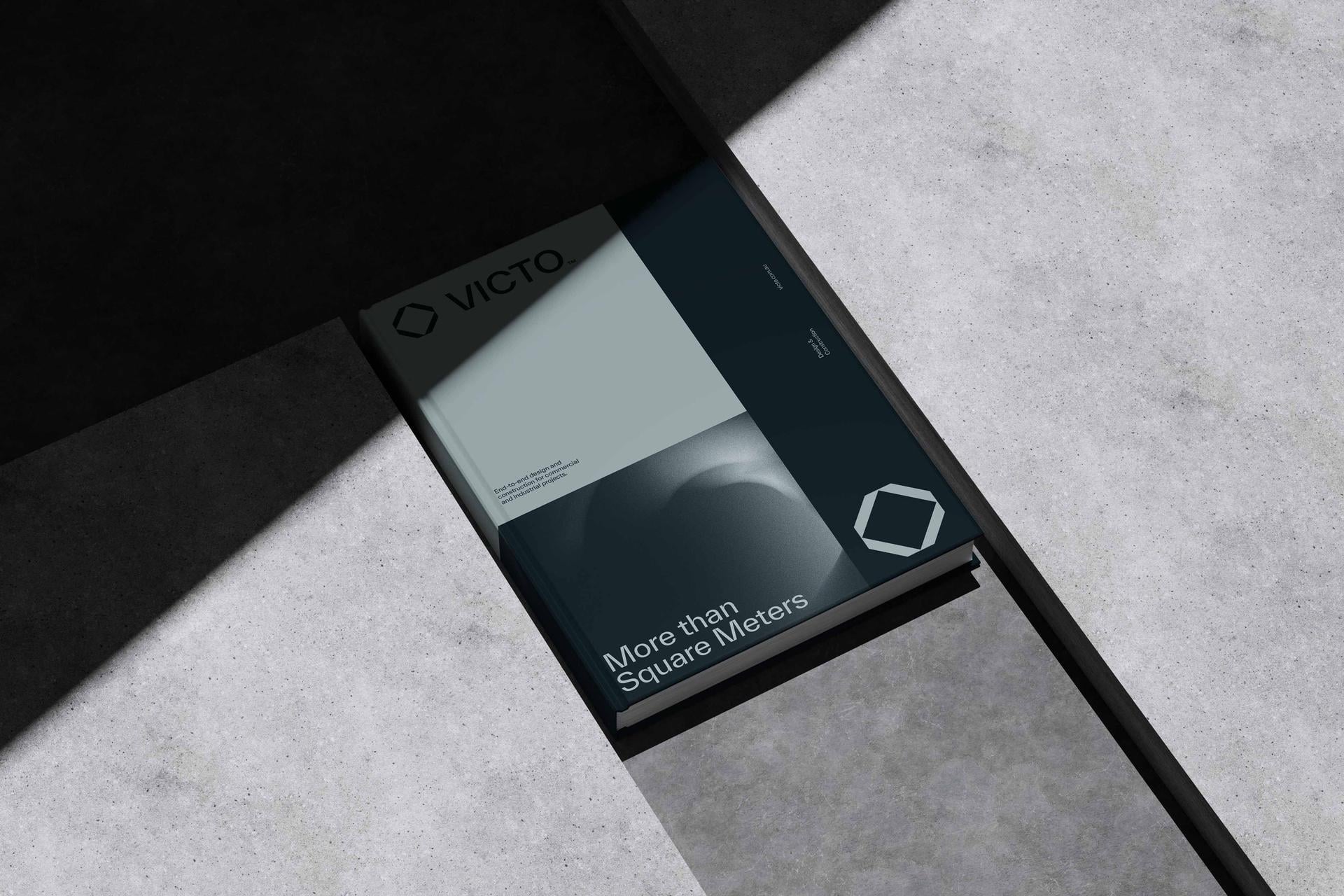
Presentation matters. A lot. If your proposal document looks slapdash, contains errors or is difficult to read, it works against you no matter how sharp your numbers are. Your tender document represents your brand, so it needs to represent it well: a clean layout, consistent branding, clear hierarchy, and not a typo in sight.
This is where professional graphic design earns its place, turning a dense, technical proposal into something that looks every bit as capable and considered as your work on site. A well-designed capability statement or tender document signals, instantly and before a word is read, that you take quality seriously.
5. Social proof can make all the difference
Winning or losing a tender can come down to social proof. Social proof is simply evidence, usually testimonials and references from past clients, that you deliver what you promise. At the start of a relationship you are asking a client to trust you, and that is far easier when you can show them that others already do.
Include relevant testimonials, case studies and project references in your tender, and make them specific to the kind of work being tendered, a client weighing up a commercial fit-out wants to see commercial fit-outs, not kitchen renovations. There is much more on using this well in our guide to testimonial marketing.
| Wins the tender | Loses the tender |
|---|---|
| Follows the brief exactly | Misses key requirements |
| Strong, consistent brand | Looks like everyone else |
| Professional, fast website | Outdated or slow site |
| Polished proposal document | Slapdash and error-filled |
| Relevant testimonials and references | No proof to back the claims |
Frequently asked questions
How do I win more project tenders?
Win more often by following the client’s brief to the letter, leading with a strong and professional brand, backing it with a sharp website, designing your proposal document well, and including relevant social proof. Each of these builds trust and signals quality before your pricing is even considered. Tenders are won on credibility as much as on numbers.
Why does branding matter for winning tenders?
Because clients are handing over significant money and trust, and a strong brand signals you are a safe, professional choice before you have said a word. In a field of similar builders quoting similar prices, branding is often what tips the decision. It does the hard work of establishing trust and professionalism for you, upfront.
Does my website affect tender success?
Yes, often more than builders realise. Your website is frequently the first place a client checks you out, sometimes before reading your tender. If it looks dated, loads slowly or feels unprofessional, it can undermine an otherwise strong bid. A clean, fast website with a well-presented portfolio reinforces the professionalism your tender is trying to convey.
What should a tender proposal document include?
Beyond the required information and pricing, a winning proposal is clean, well-designed, consistently branded and easy to read, with no errors. Include relevant project references and testimonials, a clear methodology, and a professional layout. Presentation matters: the document represents your brand, so it should look as capable and considered as the work you deliver.
How important is social proof in tenders?
Very. At the start of a relationship a client is being asked to trust you, and social proof makes that far easier. Relevant testimonials, references and case studies, especially for similar projects, prove you are what you say you are. They reduce the perceived risk of choosing you, which can be the deciding factor in a close tender.
Why do builders lose tenders?
Common reasons include missing requirements in the brief, a weak or inconsistent brand, an unprofessional or slow website, a poorly presented proposal document, and a lack of credible social proof. Often it is not the pricing that loses the work, but a failure to signal trust and professionalism. We explore this in detail in our piece on why you might be losing tenders.
Read more: Property branding: why it drives sales for developers
Ready to build a brand that drives growth?
Wherever your vision leads, we turn it into something people can see, feel and rally behind.