





How to brand all five senses and why AI can’t do it for you

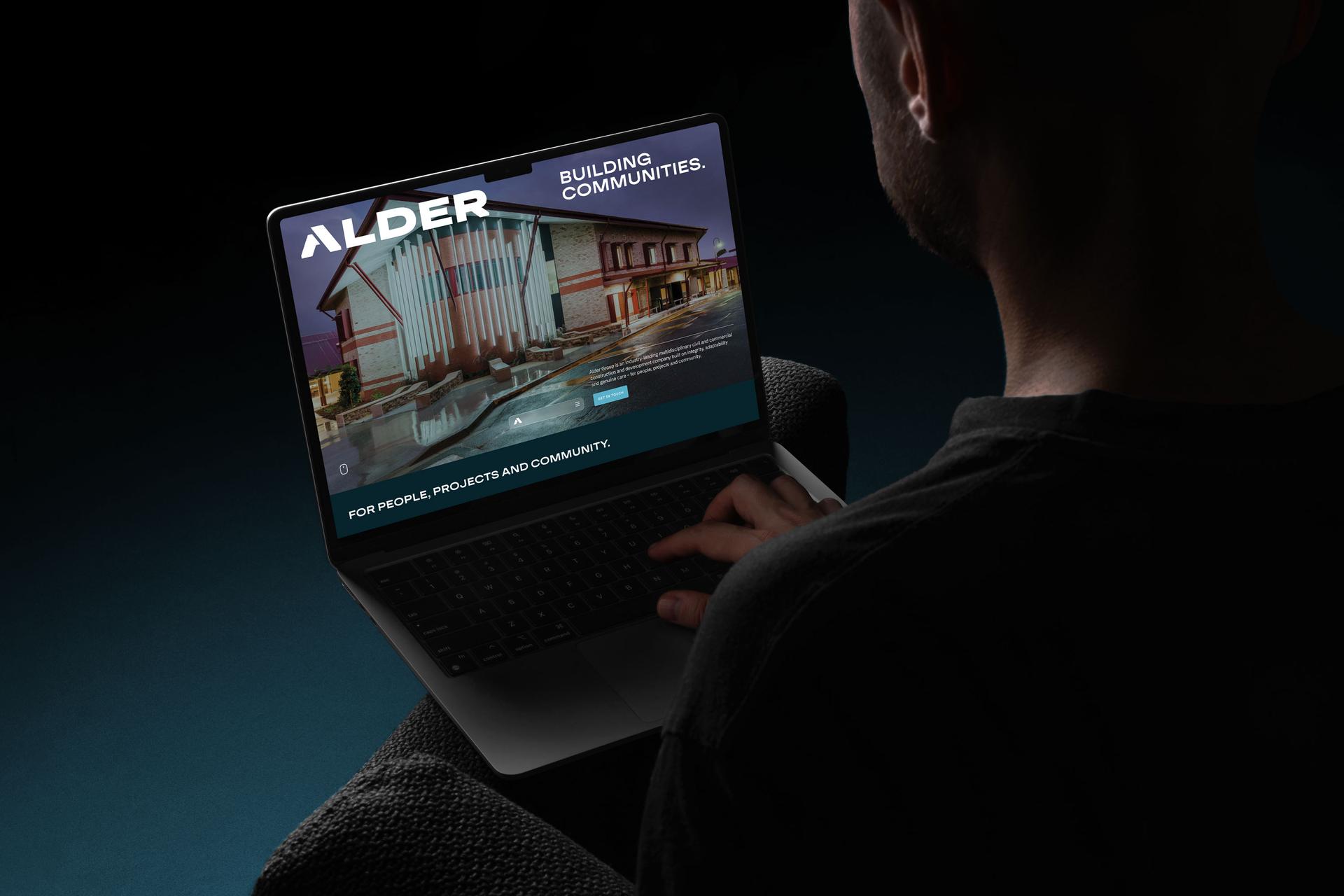
Anyone can get a polished logo and a slick website now, in fact AI will make you an average one this afternoon.
That’s exactly the problem, because when everyone looks professional on a screen, looking professional stops setting you apart.
What AI can’t do is answer your phone with warmth, choose the paper your proposal is printed on or hand a nervous client a decent coffee when they walk in. Sensory branding is about those moments: how your business sounds, feels, smells and tastes, not just how it looks.
This guide shows you how to brand each of the five senses in a small business step by step. It also explains why the human experience is worth more now than it’s ever been.
Contents
- What is sensory branding?
- Why sensory branding matters more in the age of AI
- How to brand all five senses: step by step
- Sensory branding by sense: a comparison
- Pros and cons of sensory branding
- Signs your brand stops at the logo
- FAQs
- My takeaways
What is sensory branding?
Sensory branding is the deliberate use of sight, sound, touch, smell and taste to shape how people experience and remember a business. It treats your brand as the whole experience of dealing with you, not just your visual identity.
The idea isn’t new, Martin Lindstrom made the case in his 2005 book Brand Sense and big brands have been doing it for decades. What’s changed is how much it’s worth to everyone else.
For a founder-led business, this isn’t about pumping a signature fragrance through a shopping centre. It’s about the small physical moments where a client decides, without thinking about it, whether you’re the real deal.
Why sensory branding matters more in the age of AI
Sensory branding matters more in 2026 because AI has made the visual side of a brand cheap, fast and increasingly the same.
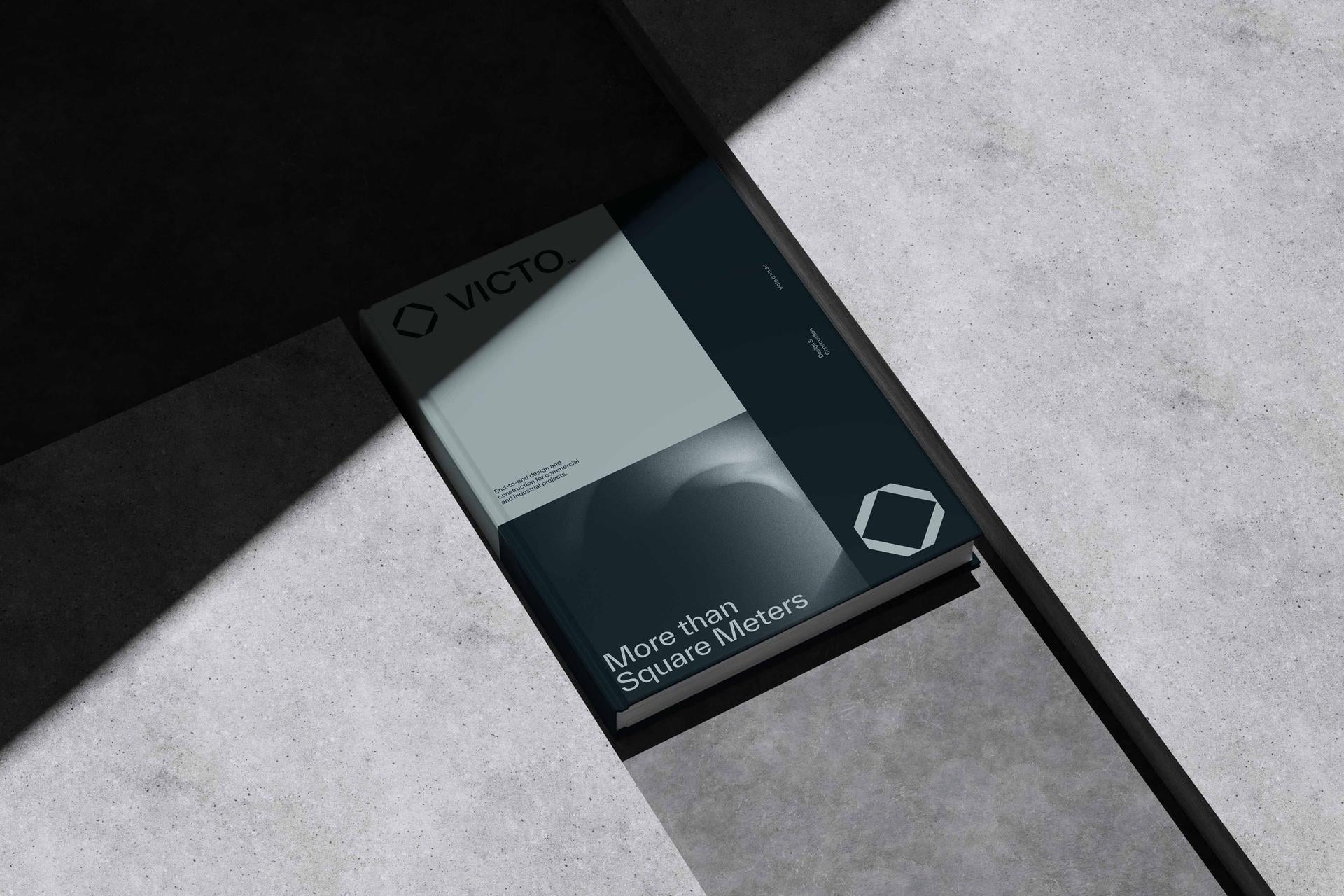
Most businesses have only ever branded what you can see, because that’s what branding has always been sold as: a logo, a colour palette, a website, a guidelines PDF. None of that is wrong, but it’s now the easiest part of a brand to fake.
When clients can’t tell the difference between your website and your competitor’s, they decide on everything else, like the phone call, the proposal and the meeting. That’s where the physical senses come in and where people, not software, make the difference.
I covered the useful side of AI in how to use AI for branding. This is the other side of it. Let AI help with the screen and put your people into the parts only humans can deliver.
How to brand all five senses: step by step
You can brand all five senses by experiencing your business the way a client does, then setting one clear standard for each sense. Here’s the process, step by step.
Step 1: Audit your business as a client
Before you change anything, find out what clients are actually experiencing. Most founders haven’t been on the receiving end of their own business in years.
- Call your own business from a number they won’t recognise. Listen to how it’s answered, how long you wait and what plays while you’re on hold.
- Print your proposal and hold it. Does it feel like the price on the last page?
- Walk in the front door with fresh eyes and a fresh nose. What do you notice first?
- Make the coffee you’d serve a new client. Would you be happy being handed it?
- Watch your own videos with headphones on.
Write down everything that made you wince. That’s your list.
Step 2: Brand how you sound
Sound branding includes your ‘tone of voice’ is how your business sounds to clients: the voice on the phone, the hold music, the voicemail, video audio and the background noise in your space.
Sound is my favourite sense to work on, because it’s the one most businesses get wrong without realising.
The big examples are well known. Qantas first used Peter Allen’s I Still Call Australia Home in its advertising in 1987 and went on to adopt it as the airline’s signature tune. For a lot of Australians, that song is the brand. Mastercard and Intel have both built sonic logos you’d recognise with your eyes shut.
You don’t need a jingle. You need:
- One phone greeting, used every time, by someone who sounds glad you called
- Hold music you’ve chosen, not the free loop that came with the phone system
- A voicemail that sounds like you, recorded somewhere quiet
- Decent audio on your videos, because people will forgive average visuals but they won’t forgive bad sound
Your verbal brand voice and the actual sound of your business should feel like the same company.
Step 3: Brand how you feel
Touch is everything a client physically handles: business cards, proposals, packaging, merchandise, the chair they sit in and the pen they sign with.
Apple is the classic example. The way the lid of an iPhone box slides off slowly is deliberate. It tells you the product inside is worth something before you’ve seen it.
For most service businesses, the biggest touch moment is the proposal. If your work is premium and your proposal arrives as a stapled printout on thin paper, the two messages fight each other and the client believes the paper.
- Upgrade your proposal design, stock and binding, even if you only print for final pitches, if digital make sure it feels like your brand.
- Check your business cards, because weight and finish say more than the design does
- Sit in your own meeting chairs. If they’re uncomfortable, so is every client
Step 4: Brand how you smell
Scent branding uses smell to create recognition and shape mood. Smell is closely tied to memory and emotion, which makes it powerful, yet most businesses ignore it completely.
Singapore Airlines is the textbook example. It has used a signature scent for decades, starting with Stefan Floridian Waters, which it worked into cabin crew perfume and the hot towels handed out on board. In 2021 it introduced a new signature scent called Batik Flora, which now goes into those hot towels. Walk into an Aesop store and you’ll smell the brand before you see a single product.
There’s also a well-known study by neurologist Dr Alan Hirsch of the Smell and Taste Treatment and Research Foundation in Chicago, usually dated to the early 1990s. Identical Nike shoes were shown in two identical rooms, one with a mixed floral scent and one without. Most people preferred the shoes in the scented room and said they’d pay more for them. It gets quoted far more often than it’s been repeated, so treat it as a strong hint rather than hard proof.
You don’t need a signature fragrance. You need to know what clients smell when they walk in.
- Fix the stale stuff first: air flow, old carpet, the bin in the kitchen
- Keep anything you add subtle, because people react to scent differently and strong fragrances put a lot of people off
- Don’t forget vehicles. If clients see your ute or company car, they’ll notice what it smells like too
Step 5: Brand how you taste
Taste is the hardest sense to brand unless you sell food, but most businesses deal with it more than they realise. Think about the coffee you offer a prospect, the water on the meeting table or the lunch at a workshop.
Instant coffee in a chipped mug says one thing and a proper coffee in a clean cup says another. Neither is a big decision, but clients notice both.
- Pick one good coffee option and make it standard for every client meeting
- Serve water in glasses, not plastic bottles
- Treat catering as part of the experience, not an afterthought
Step 6: Make what they see match everything else
Sight is the one sense you’ve probably already worked on, so the job here is more consistency, not more design.
Does the office look like the website? Does the vehicle look like the proposal? Does your team look like the brand you’re presenting online? A strong brand identity only works when it carries across every place a client sees you, not just the screen.
Remember consistency builds trust, visual identity is often the first impression and the hardest to get right.
Step 7: Write the standards down
Sensory branding only works if it’s consistent. A great phone greeting once a week is worse than none at all.
Turn each fix into a simple standard: how the phone is answered, which coffee is served, what paper proposals go out on. Put it somewhere the whole team can see it and make it how things are done, not a one-off effort.
Read more: Brand style guide: why it’s vital your business has one
Sensory branding by sense: a comparison
| Sense | Where it shows up in a small business | Typical cost to fix | What it tells the client |
|---|---|---|---|
| Sight | Logo, website, signage, vehicles, office fit-out | Medium to high | Whether you look established and consistent |
| Sound | Phone greeting, hold music, voicemail, video audio | Low | Whether you’re organised and glad to hear from them |
| Touch | Proposals, business cards, packaging, furniture | Low to medium | Whether your quality matches your price |
| Smell | Office, showroom, vehicles, product packaging | Low | Whether you care about the details |
| Taste | Coffee, water, catering at meetings and workshops | Low | Whether they’re a guest or just another meeting |
Look down the cost column. Four of the five senses are cheap to fix, while sight, the one most businesses spend all their money on, is the most expensive.
Pros and cons of sensory branding
Pros of sensory branding
- It’s hard to copy. A competitor can copy your website in a week, but they can’t copy how your team answers the phone.
- It’s cheap. Most fixes cost less than a month of Meta ads.
- It builds recognition. Consistent cues become familiar and familiar feels trustworthy.
- It supports your price. When the experience feels premium, the price feels justified.
- AI can’t do it for you. It’s human by nature, which is exactly why it stands out now.
Cons of sensory branding
- It needs consistency. Half-done is worse than not done.
- It’s hard to measure. No dashboard will tell you what the coffee is worth.
- Scent can backfire if it’s too strong or doesn’t suit the space.
- It can’t fix a strategy problem. If your positioning is unclear, nicer paper won’t save you.
That last point matters. Sensory branding sits on top of brand strategy, not instead of it. You need to know what you stand for before you decide what that sounds, feels and smells like.
Signs your brand stops at the logo
- You had a rebrand and nothing changed.
- Your website looks great but the office doesn’t match it.
- Nobody on your team could tell you how the phone should be answered.
- Your proposals look the same as they did ten years ago.
- Clients say you’re great to work with but can’t say why you’re different.
- You keep losing work to competitors who “just looked more professional.”
- You’ve never thought about what your business sounds or smells like.
If three or more of those land, your brand probably lives on the screen and nowhere else. That’s often the sign a rebrand is overdue and this time it needs to go past the logo.
Read more: What is the difference between a logo and branding?
FAQs
What is sensory branding?
Sensory branding is the deliberate use of sight, sound, touch, smell and taste to shape how people experience and remember a business. It treats a brand as the complete experience of dealing with a business rather than just its visual identity.
How do you brand the five senses?
You brand the five senses by experiencing your business as a client would, then setting one consistent standard for each sense. That means choosing how the phone is answered, what proposals are printed on, how the office smells and what coffee is served, then making sure everything clients see matches.
What are examples of sensory branding?
Well-known examples of sensory branding include Qantas using I Still Call Australia Home in its advertising since 1987, Singapore Airlines’ signature cabin scent, the sonic logos of Intel and Mastercard and Apple’s slow-opening packaging. In a small business, examples include a consistent phone greeting, quality proposal stock and a fresh, well-kept office.
Is sensory branding worth it for a small business?
Yes, sensory branding is often more valuable for small businesses than big ones, because most of it is cheap and competitors rarely bother. Improving your phone manner, paperwork and office costs far less than advertising and it’s much harder to copy.
Can AI do sensory branding?
AI can help create some sensory assets, like a piece of music or a sonic logo, but it can’t deliver the physical experience. How your team answers the phone, how your proposal feels and how your office feels when a client walks in all depend on people. That’s why they stand out more as AI makes digital branding look the same.
What is sound branding?
Sound branding, also called sonic or audio branding, is how a business uses sound to build recognition. For a large brand that might be a jingle or sonic logo. For a small business it’s mostly the phone greeting, hold music, voicemail and the audio quality of its videos.
My takeaways
Your brand isn’t how it looks. It’s how it feels to deal with you and clients take that in through all five senses.
AI has made sight the most crowded sense going. The phone, the paper, the room and the coffee are where you can still stand apart and none of them cost much.
AI can make you look professional, but only people can make a client feel looked after.
Ready to build a brand that drives growth?
Wherever your vision leads, we turn it into something people can see, feel and rally behind.